
10 Range Hood Designs I’m Choosing Instead of Stainless Steel This Year Leave a comment
For years, stainless-steel vary hoods have been the default answer in fashionable kitchens. I’ve specified them, lived with them, and advisable them as a result of they have been impartial, sensible, and straightforward to justify. However over time, they’ve began to really feel much less like a design alternative and extra like a placeholder.

Kitchens as we speak are doing greater than merely housing home equipment. They’re turning into visible anchors inside open-plan areas, which implies each giant component carries extra weight. The vary hood, particularly, sits at eye degree and infrequently defines the cooking zone. Treating it as a purely utilitarian object now not is sensible.
The concepts under replicate the vary hood designs I’m really being attentive to this yr. As a substitute of defaulting to stainless-steel, these approaches deal with the hood as an architectural component, a cloth assertion, or one thing deliberately quiet, relying on the house.
Flush glass hoods that behave like a part of the wall
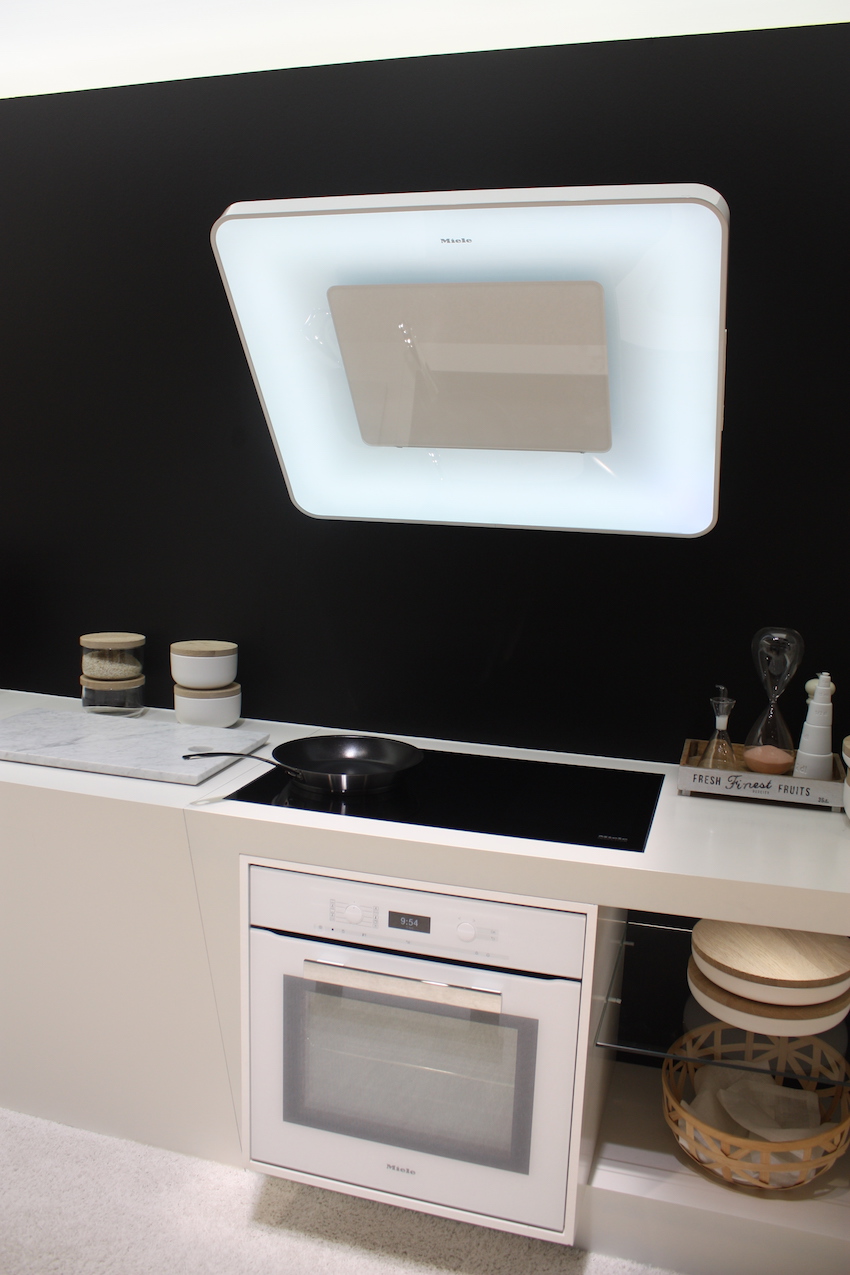
What stands out right here is how the hood is sort of invisible at first look. The glass floor reads as a continuation of the backsplash somewhat than a separate object. I like this method as a result of it removes visible litter above the cooktop. In comparison with stainless-steel, which all the time displays mild and motion, this feels quieter and extra intentional. It really works particularly nicely in kitchens the place the format and cabinetry are supposed to lead, not the home equipment.
Heavy metallic hoods with a crafted, industrial presence
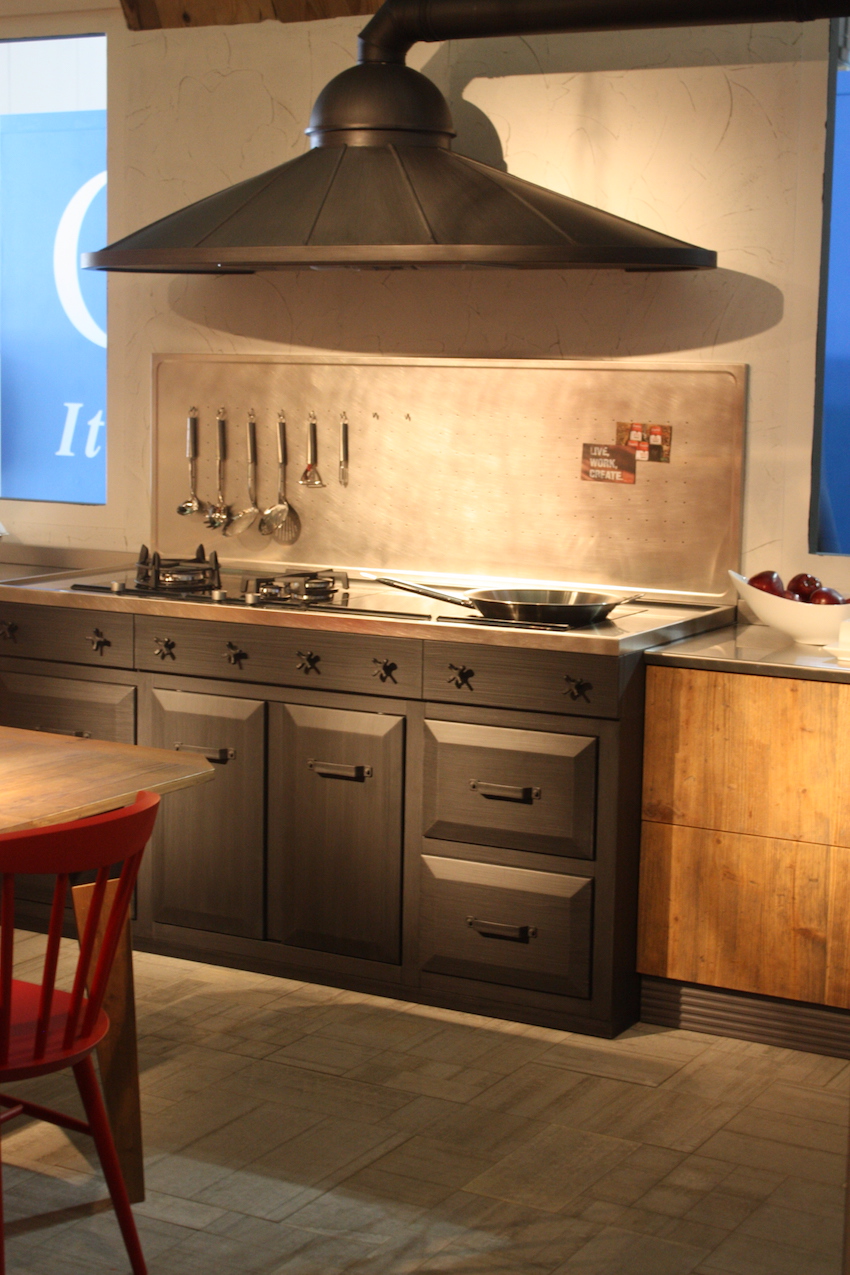
This hood doesn’t attempt to disappear, and that’s precisely why it really works. The darkish metallic end and powerful silhouette really feel deliberate, nearly architectural. As a substitute of the generic shine of stainless-steel, this has weight and texture. I’m drawn to the way it grounds the cooking zone and pairs naturally with wooden cabinetry and strong surfaces. It feels designed, not specified by default.
Matte black hoods as graphic anchors
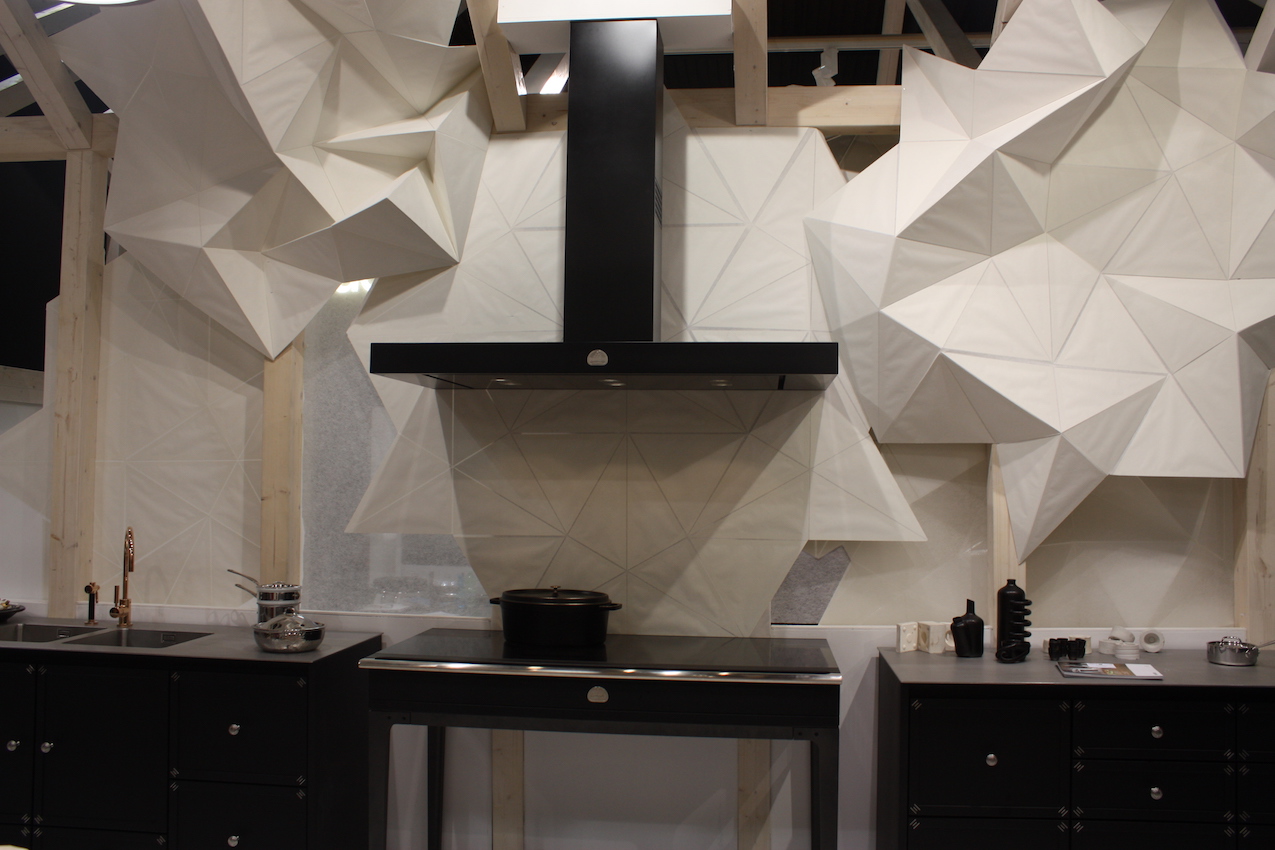
I like how the black hood creates a transparent focus with out counting on gloss or decoration. The matte end absorbs mild, which retains it from overpowering the house. Chrome steel typically displays an excessive amount of and pulls consideration upward. This does the other. It anchors the wall calmly and works notably nicely in kitchens with robust geometry or textured backdrops.
Heat metallic hoods that exchange chilly finishes
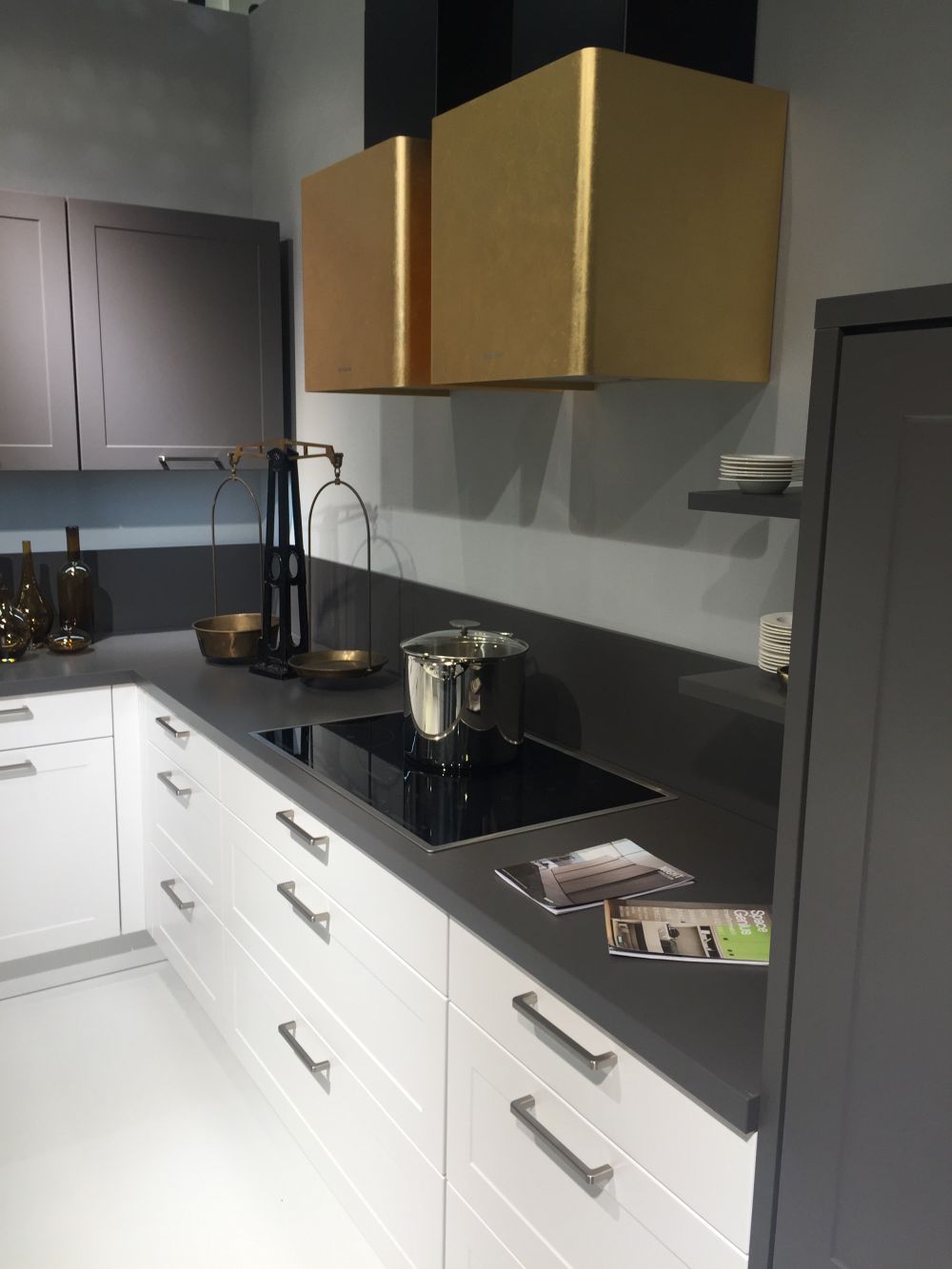
These gold-toned hoods present how metallic can really feel wealthy as an alternative of scientific. The hotter end provides depth and distinction, particularly in opposition to impartial cabinetry. What I recognize is that the hood appears like a design alternative somewhat than an equipment requirement. Chrome steel fades into the background. This method offers the cooking zone identification with out feeling flashy.
Outsized hoods that learn as built-in structure
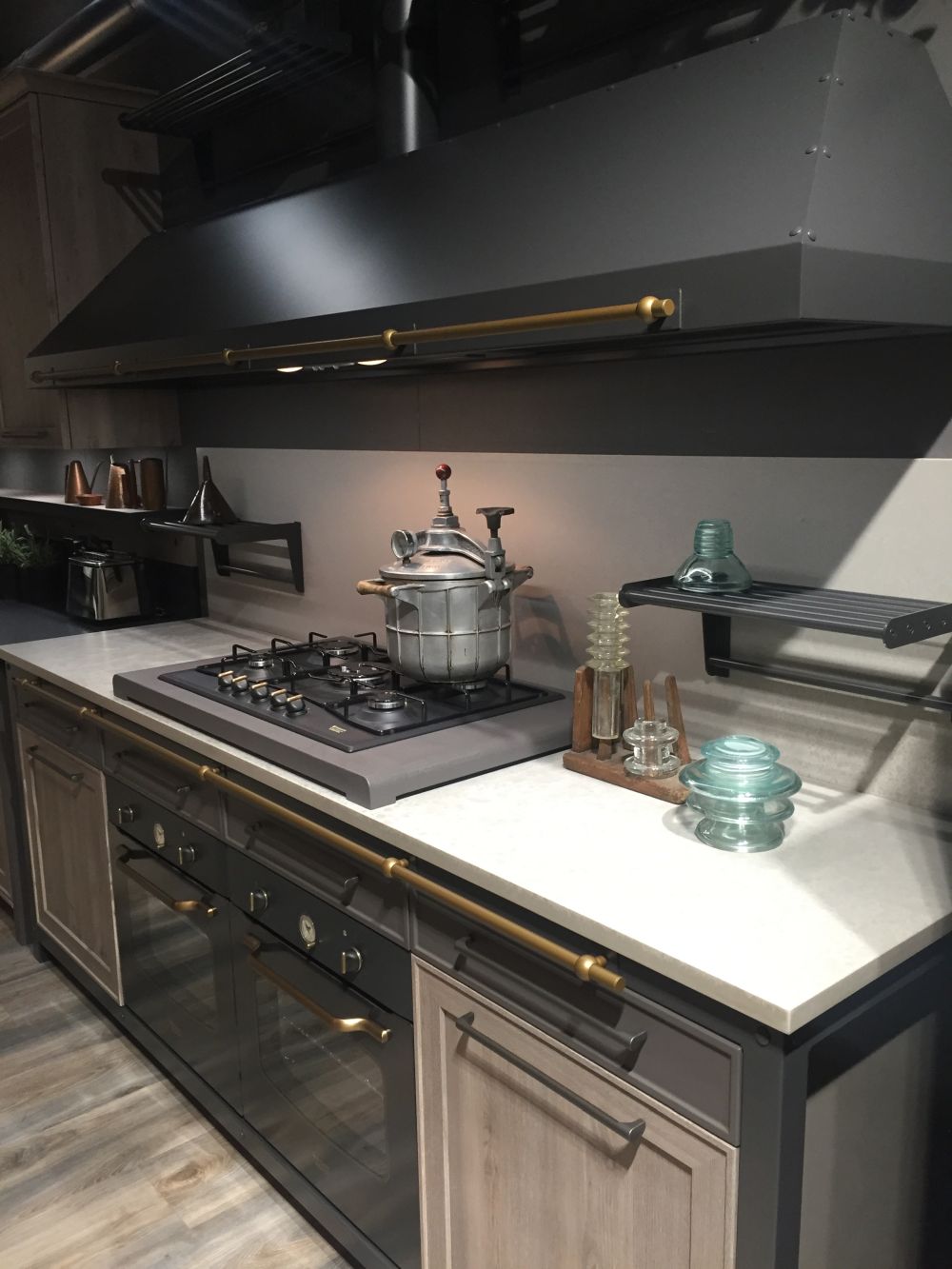
Right here, scale does a lot of the work. The hood feels built-in into the kitchen’s construction somewhat than mounted onto it. I’m drawn to the way it visually balances the cabinetry under and offers the wall a way of permanence. Chrome steel hoods typically really feel skinny by comparability. This method makes the cooking space really feel anchored and intentional.
Prolonged cover hoods with practical readability
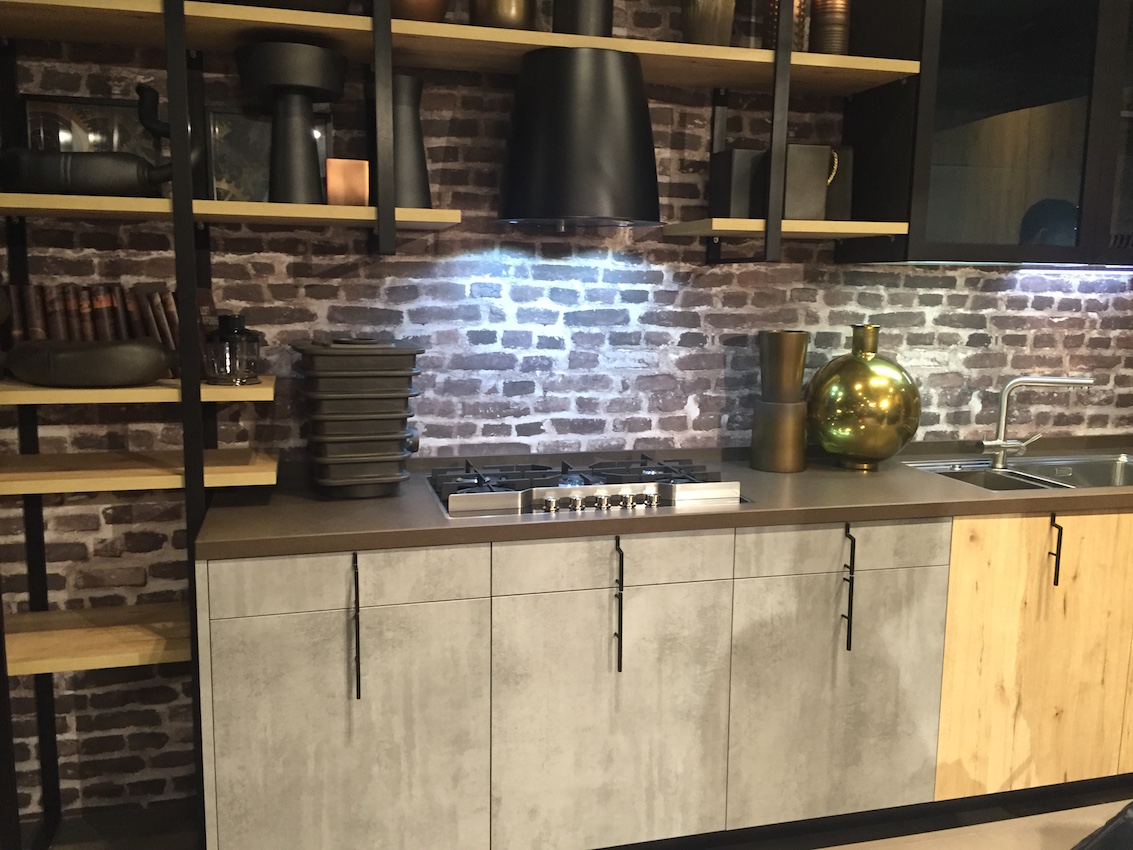
This hood stretches wider and decrease, clearly defining the cooking zone. I like the way it prioritizes operate with out sacrificing design. The shape feels purposeful, nearly furniture-like. In comparison with stainless-steel, which regularly tries to be visually mild, this design embraces presence. It really works nicely in kitchens that lean towards utility however nonetheless care about proportion.
Open shelving and hood mixtures that really feel collected
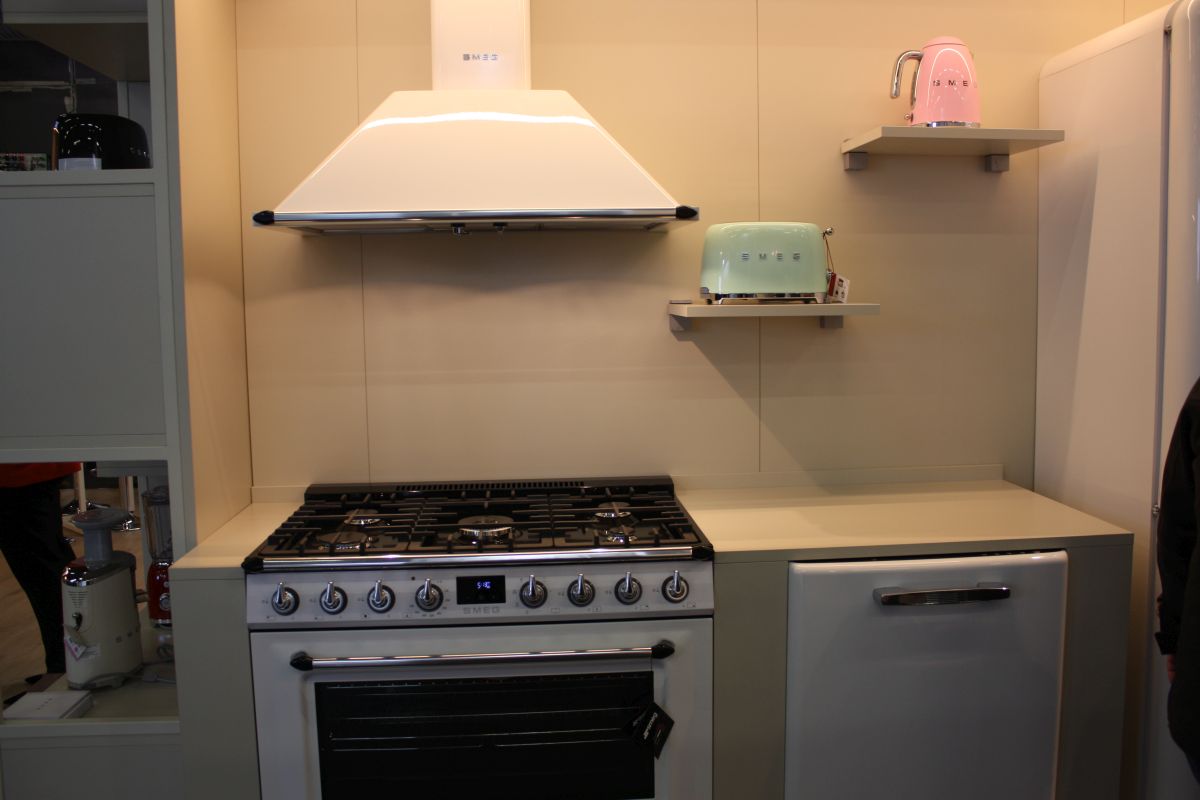
What works right here is the connection between the hood and the encircling cabinets. The SMEG hood doesn’t attempt to dominate the wall. As a substitute, it shares house with on a regular basis objects, small home equipment, and open storage in a method that feels intentional somewhat than styled. I like that it’s accessible in a number of colours, which permits it to mix in or stand out relying on the palette. In comparison with stainless-steel, this method feels softer and extra lived-in, particularly in kitchens designed for use, not simply displayed.
Brick and textured partitions paired with restrained hoods
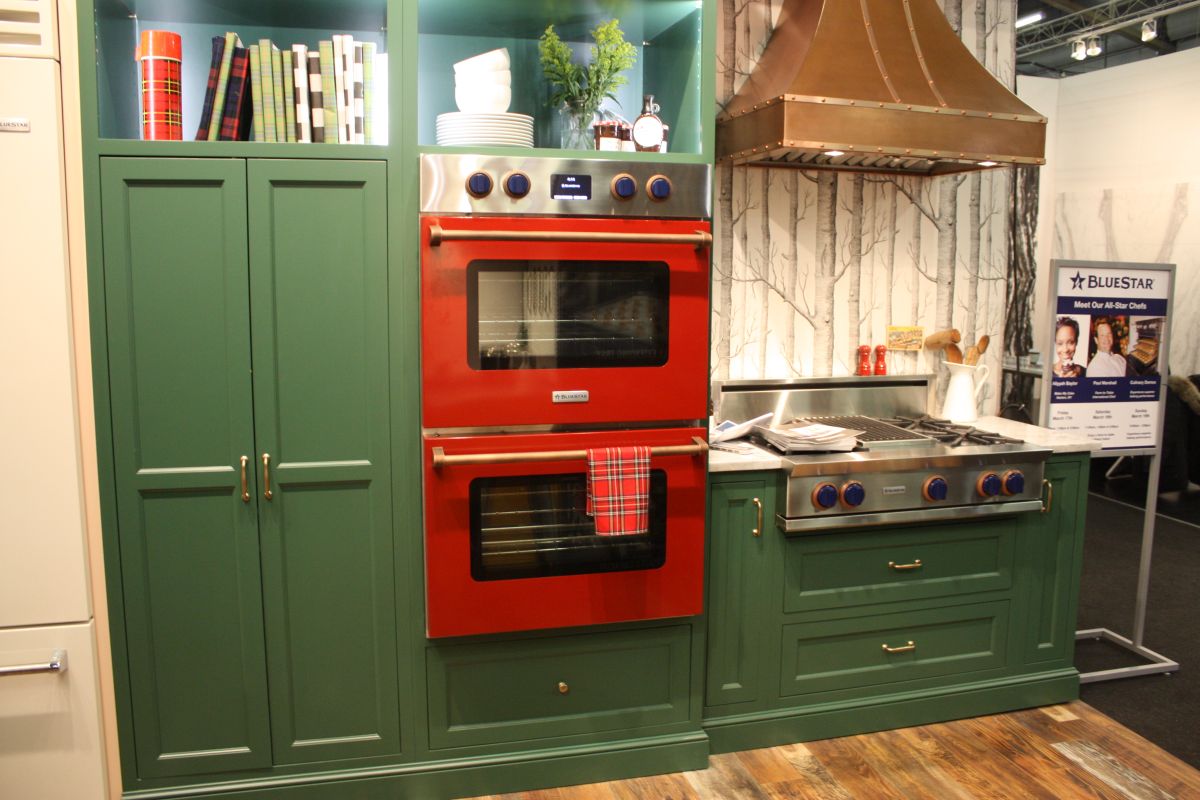
I like how the hood steps again and lets the wall take over visually. The brick backdrop provides depth and character, making a daring hood pointless. Chrome steel would really feel too reflective right here. A quieter end permits the materiality of the wall to do the heavy lifting, which feels extra architectural and fewer ornamental.
Coloration-matched hoods that mix into cabinetry
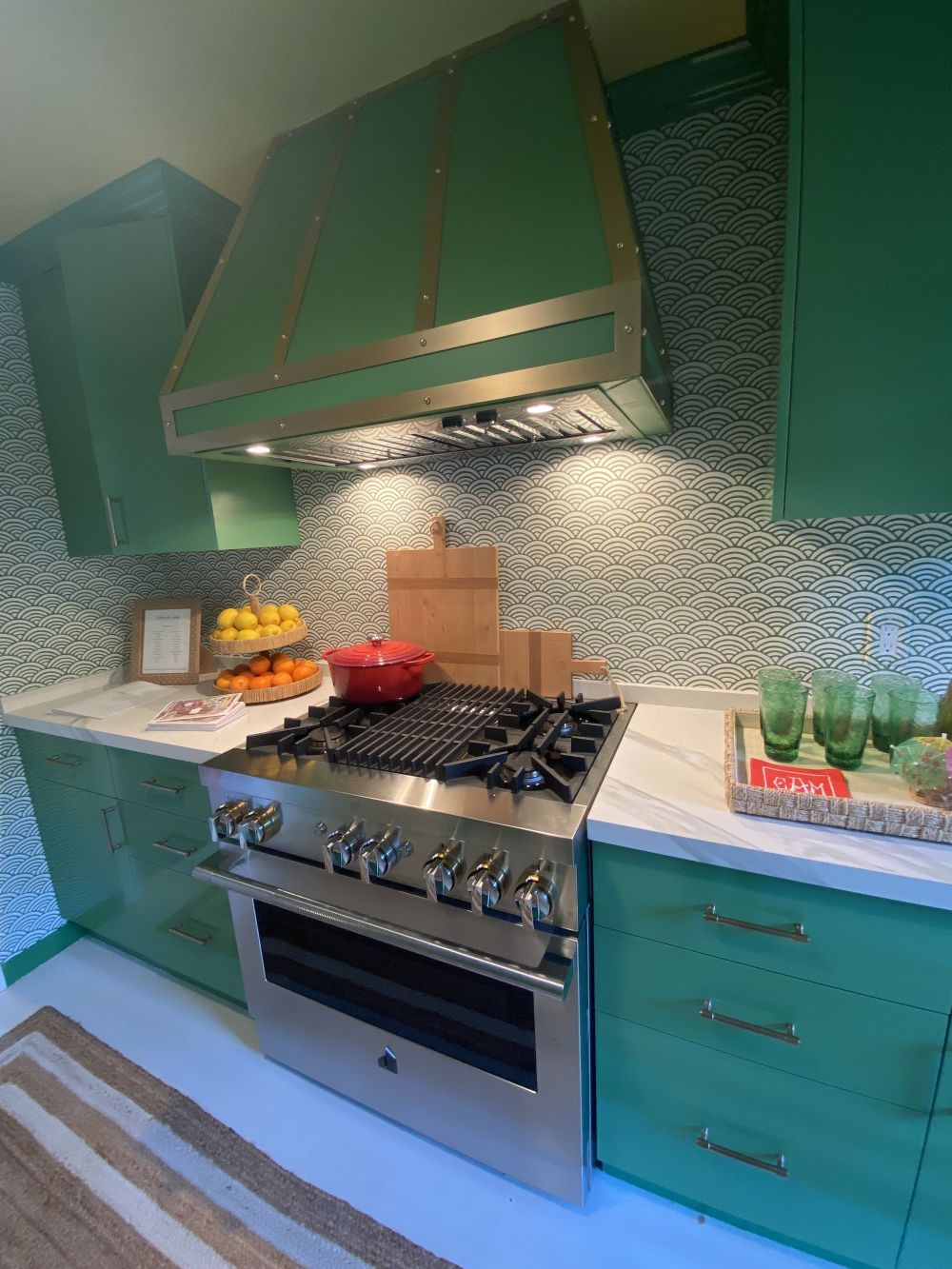
This is likely one of the clearest causes I’m shifting away from stainless-steel. When the hood matches the cabinetry, it reads as a part of the built-in composition somewhat than a separate equipment. The wall feels cohesive and intentional. Nothing competes for consideration. It’s a delicate transfer, however it modifications how all the kitchen is perceived.
Daring shade hoods used as managed statements
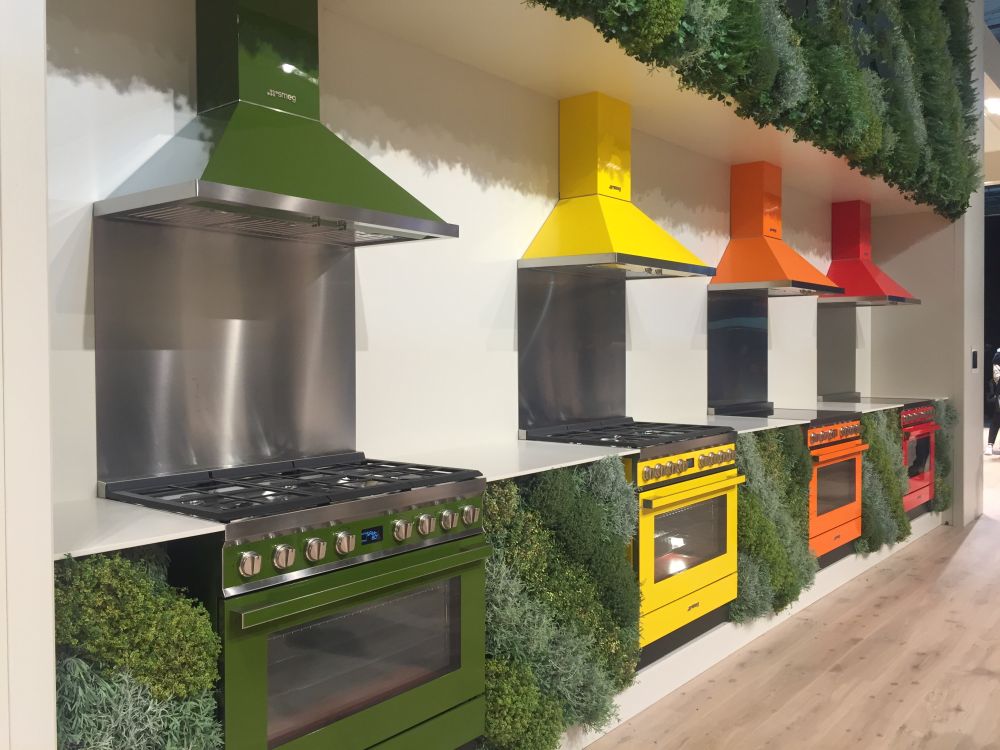
These coloured hoods present that assertion items don’t need to depend on shine. I like how shade is used confidently however persistently throughout the vary and hood. Chrome steel would really feel misplaced right here. This method works as a result of the palette is disciplined, permitting the hood to face out with out overwhelming the house.
