
12 Kitchen Wall Treatments I’m Choosing Instead of a Traditional Backsplash Leave a comment
For years, the backsplash was handled as a required layer in kitchen design. Tile crammed the area between counter and cupboards nearly by default, often with out a lot dialogue. I adopted that method too, as a result of it was acquainted and infrequently questioned.

Recently, I’ve stopped occupied with the backsplash as a class altogether.
What I’m seeing now’s a shift towards designing the wall itself somewhat than including a floor to it. As a substitute of asking which tile works greatest, designers are deciding whether or not a backsplash is required in any respect. Stone, metallic, paneling, paint, glass, and cabinetry are getting used extra deliberately, typically working previous the counter line or limiting safety solely to the place it’s obligatory.
The wall therapies beneath replicate the instructions I’m really selecting this yr. They transfer away from ornamental strips and repetitive patterns and focus as an alternative on continuity, proportion, and the way the wall helps the kitchen as an entire.
Seamless glass partitions that disappear on goal
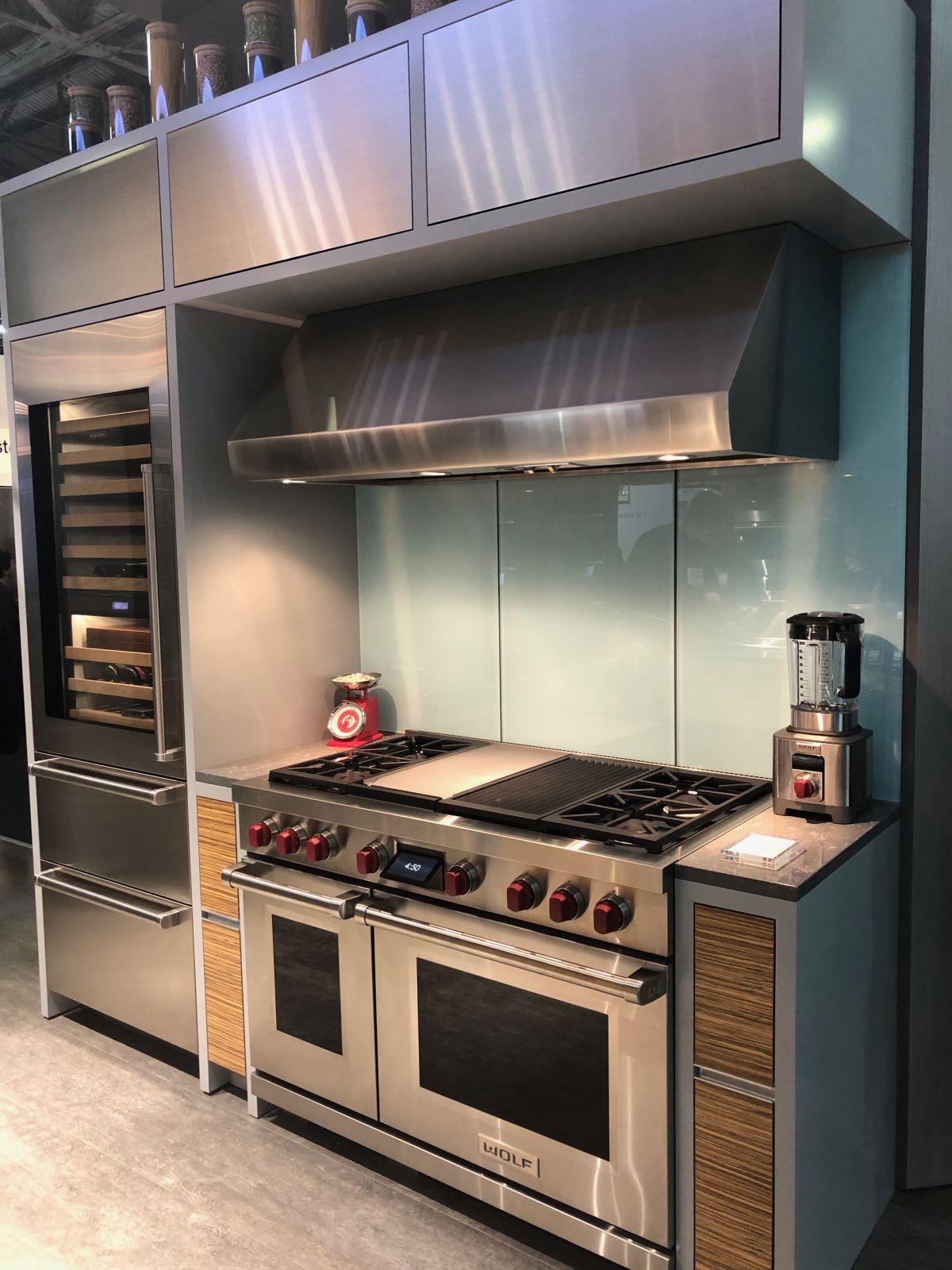
What I like right here is how the wall now not behaves like a backsplash. As a substitute of stopping on the counter or introducing a brand new sample, the glass runs constantly behind the vary and cabinetry. It reads as a part of the wall, not as an added floor.
In comparison with tile, glass stays impartial. There isn’t any grout, no repetition, and nothing pulling consideration away from the format. The floor does its job and steps again visually. In kitchens like this, including a conventional backsplash would really feel pointless. This method retains the deal with proportion, alignment, and the way the wall helps the remainder of the kitchen.
Vertical wall paneling with a minimal countertop rim
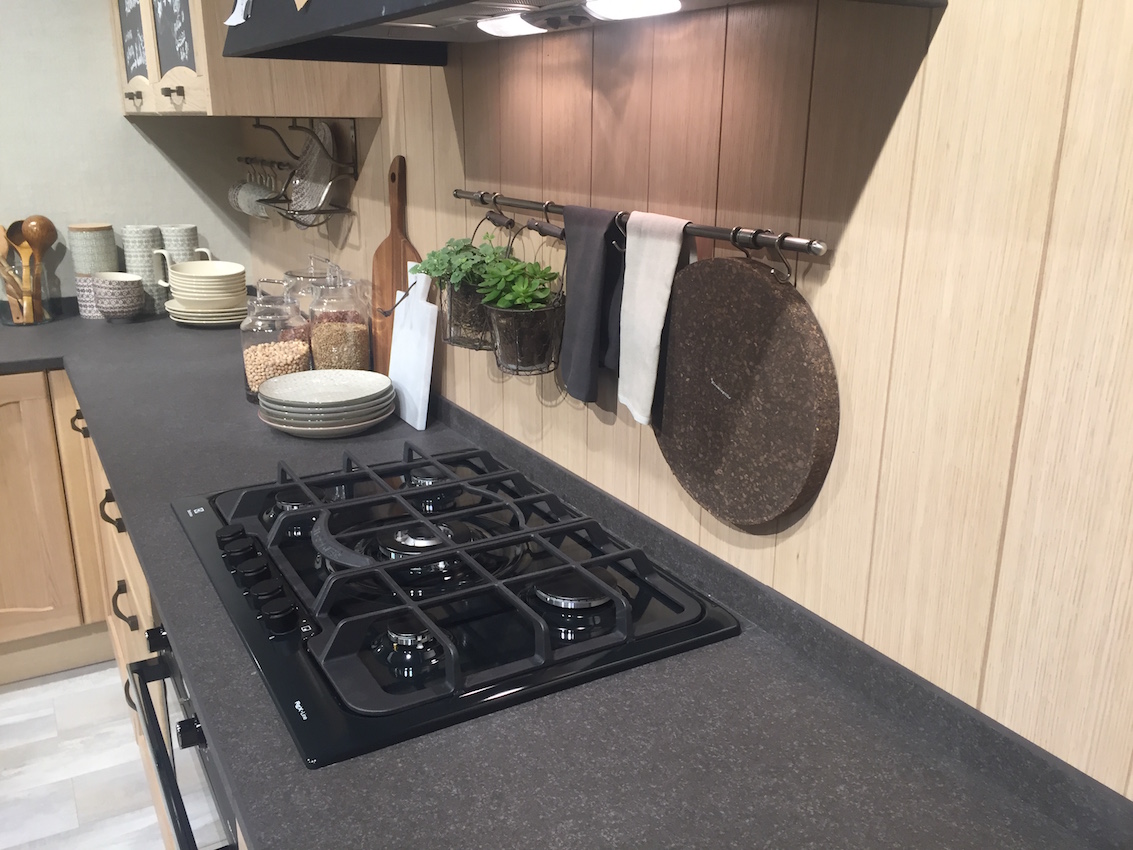
The wall and counter are handled as two separate choices. Vertical paneling takes over the wall totally, whereas the countertop ends with a small rim that handles splashes the place they happen. There isn’t any try to show the backsplash into a visible factor. The wall stays a wall.
This adjustments how the kitchen reads as an entire. As a substitute of a horizontal strip slicing throughout the area, the vertical traces preserve the floor steady and uninterrupted. The countertop edge does its job quietly, with out extending upward or asking for consideration. In kitchens like this, a conventional backsplash would really feel added later. This method feels deliberate from the beginning, which is why I’m selecting it as an alternative.
Full-height stone partitions that take away the backsplash line
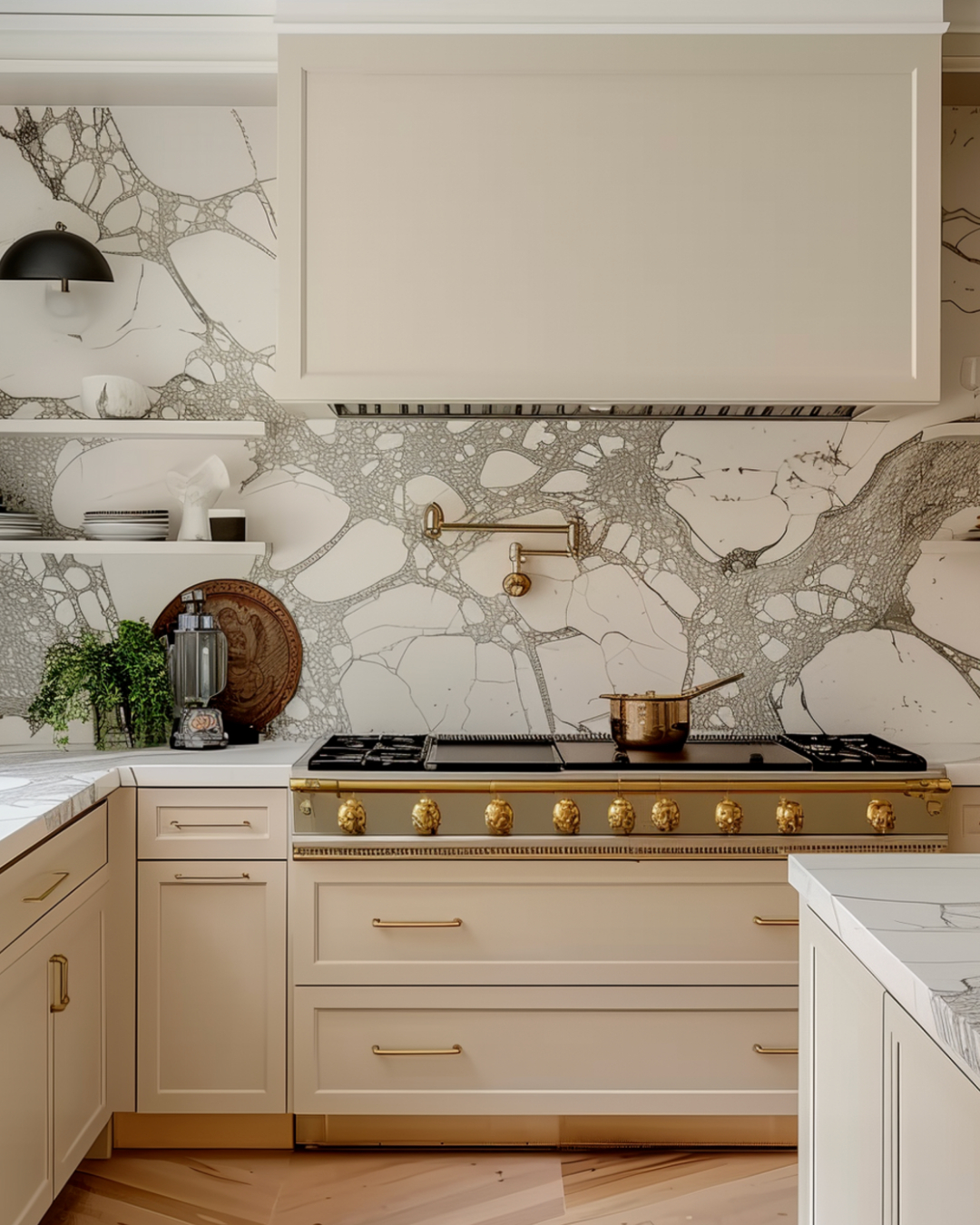
The wall is handled as a single floor somewhat than a spot so as to add element. The stone runs constantly behind the vary and cabinetry, eliminating the same old boundary the place a backsplash would start or finish. The veining carries throughout the wall, so the cooking space feels built-in somewhat than layered.
This adjustments the function of the wall totally. As a substitute of defending a painted floor with tile, the stone itself turns into the working floor. There isn’t any sample to repeat and no edge to border. In kitchens like this, a conventional backsplash would interrupt the fabric logic. Letting the stone proceed upward retains the design targeted on proportion and continuity, which is why I’m selecting this method as an alternative.
Letting the wall end run uninterrupted behind the sink
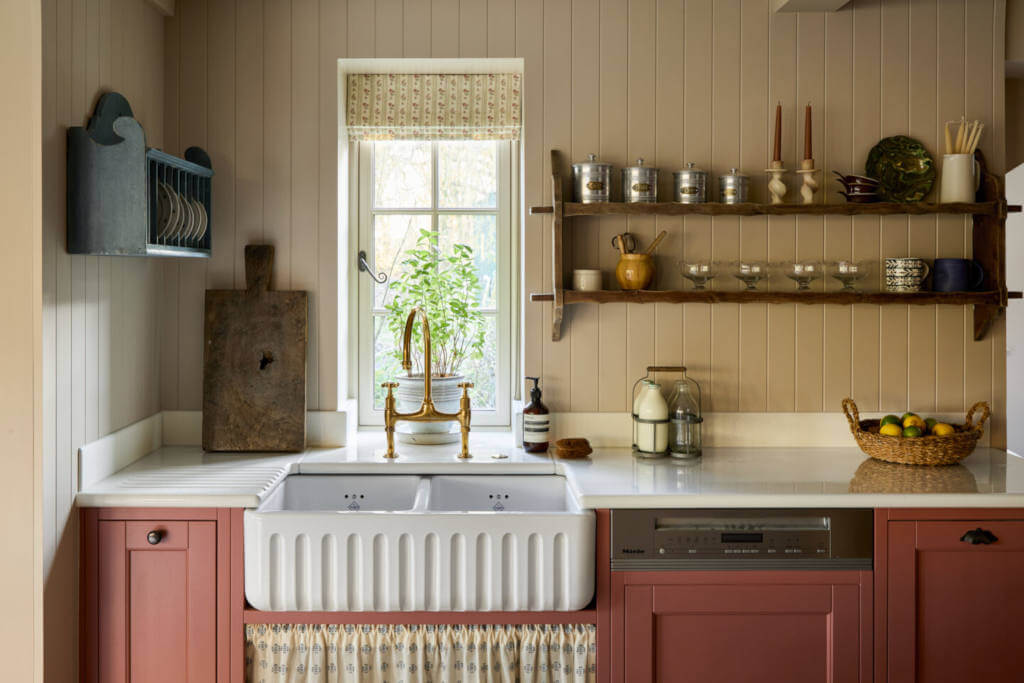
The wall end continues behind the sink with out stopping or shifting to sign a backsplash space. The paneling stays constant throughout the floor, and the counter and sink sit towards it with out introducing a separate materials or boundary.
This works as a result of the wall is handled as a part of the room, not as one thing that wants safety in all places. The countertop edge handles splashes the place wanted, and the wall above stays uninterrupted. In kitchens like this, including tile would really feel pointless and barely misplaced. Letting the paneling proceed retains the area visually calm and coherent, which is why I’m selecting this method as an alternative.
Uncovered masonry partitions that substitute floor therapies
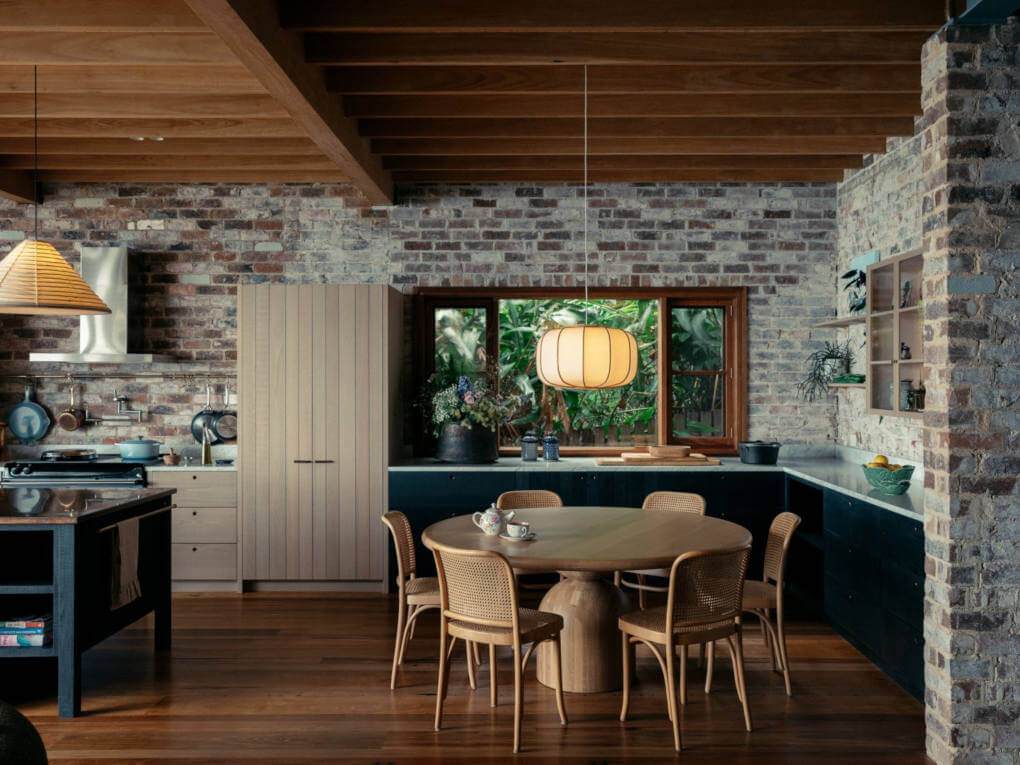
The brick wall already carries the area, so there is no such thing as a want so as to add one other layer within the type of a backsplash. It runs by the kitchen uninterrupted, permitting the cooking and prep areas to take a seat towards it with out making a separate protected strip.
Utilizing masonry this manner shifts the main focus from floor safety to materials selection. The wall is left uncovered as a result of it may deal with use and visible weight by itself. In kitchens like this, tile would add nothing and would probably break the continuity. Leaving the brick seen retains the kitchen cohesive and intentional, which is why I’m selecting this method as an alternative.
Copper worktops that substitute the backsplash totally
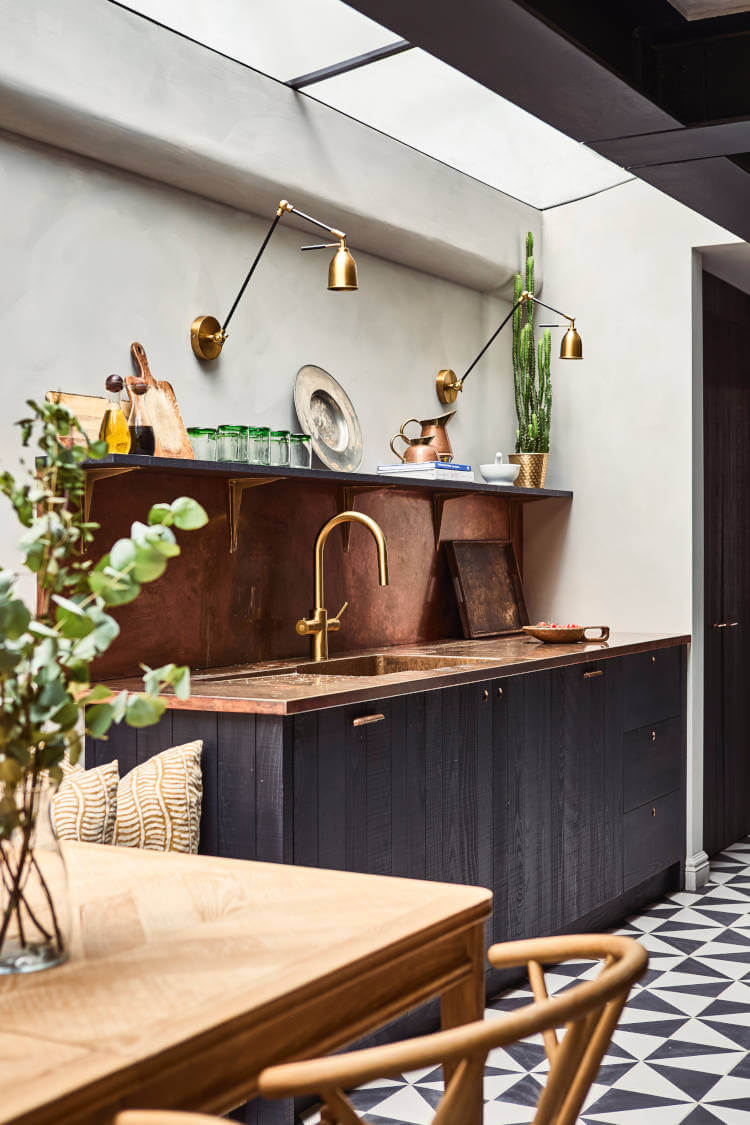
The copper floor extends up from the counter and takes over the working wall, eradicating the necessity for a separate backsplash layer. As a substitute of including safety on prime of one other end, the fabric itself handles warmth, water, and each day use.
This method adjustments how the kitchen is organized. The work zone is clearly outlined by materials somewhat than by a tiled strip, and the transition between counter and wall feels intentional. Over time, the copper will change and mark use, which fits kitchens designed for normal exercise. In areas like this, tile would really feel redundant. Letting the worktop materials proceed upward retains the design direct and useful, which is why I’m selecting this as an alternative.
Wallpaper partitions protected solely the place wanted
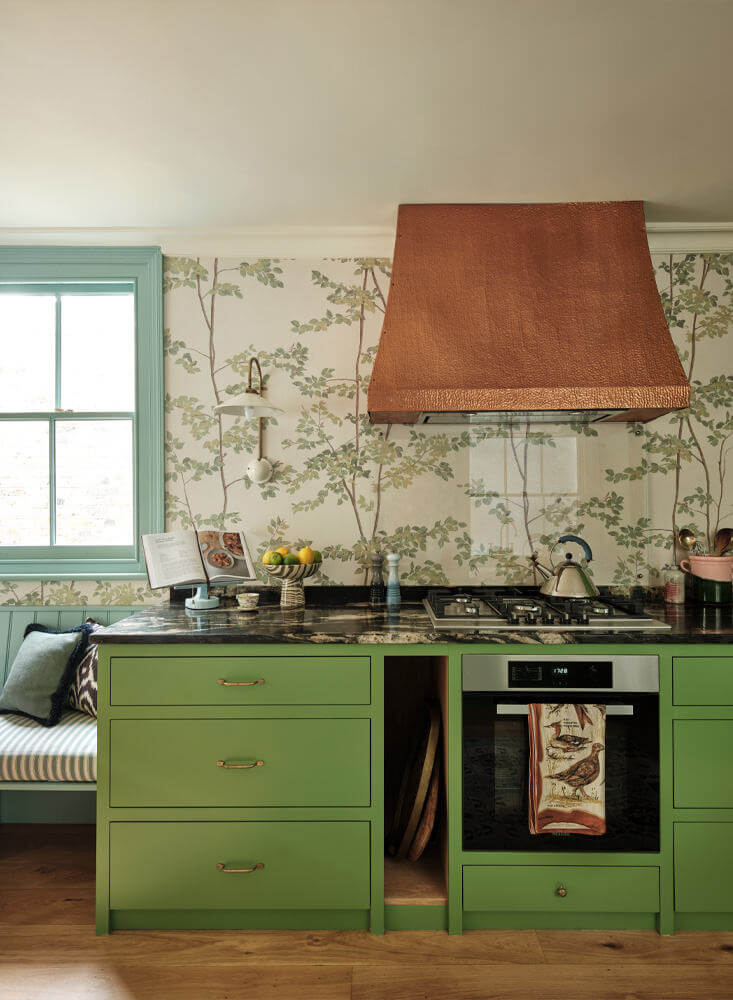
The wallpaper is allowed to cowl the wall with out being changed by tile. A transparent glass panel sits immediately behind the cooktop, defending the world that sees warmth and splatter whereas leaving the remainder of the wall untouched.
This method limits safety to the locations that require it. As a substitute of overlaying your complete wall in a tough floor, the glass acts as a quiet barrier and steps again visually. The sample stays steady, and the wall retains its function as a wall. In kitchens like this, a full backsplash would really feel extreme. Utilizing glass selectively retains the design targeted and versatile, which is why I’m selecting this as an alternative.
Tile used as a full wall end, not a backsplash strip
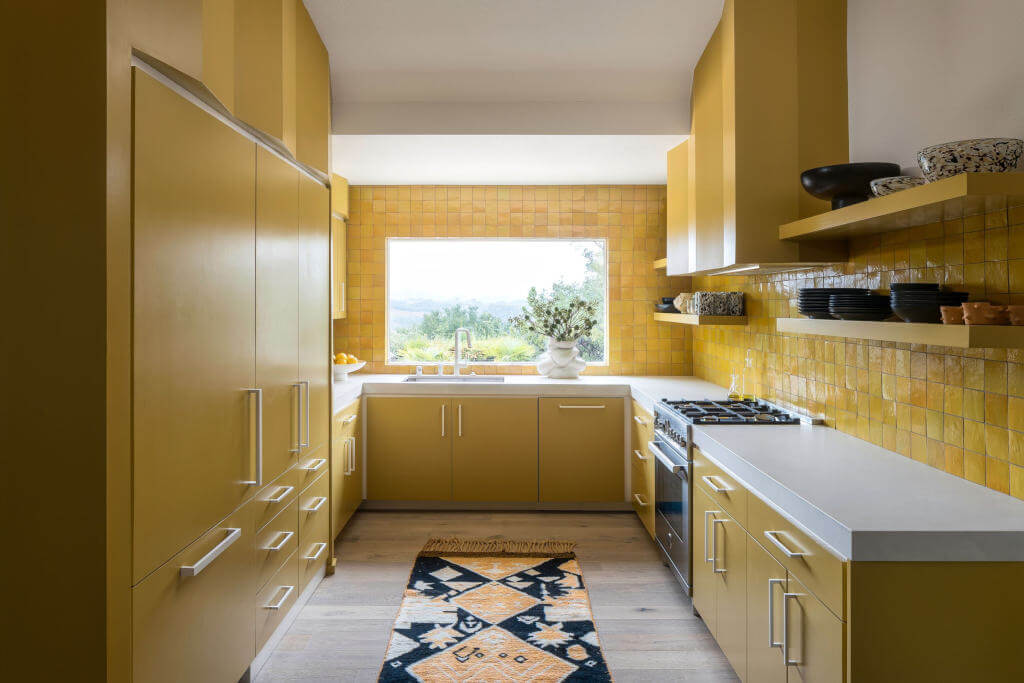
Right here, the sq. tile is just not handled as a backsplash in any respect. It wraps your complete kitchen, persevering with throughout partitions and round openings as an alternative of stopping on the counter line. As a result of the tile is in all places, it stops studying as a useful insert and begins behaving like a wall end.
This adjustments how the area is perceived. The kitchen feels enclosed by one constant floor somewhat than damaged into protected and unprotected zones. There isn’t any visible emphasis on the world behind the counter, as a result of nothing is being singled out.
On this context, the tile works exactly as a result of it isn’t performing like a backsplash. Utilizing it throughout the entire room makes the choice really feel intentional, which is why this method works as an alternative of a conventional backsplash therapy.
Utilizing cupboard materials to cowl the wall behind the counter
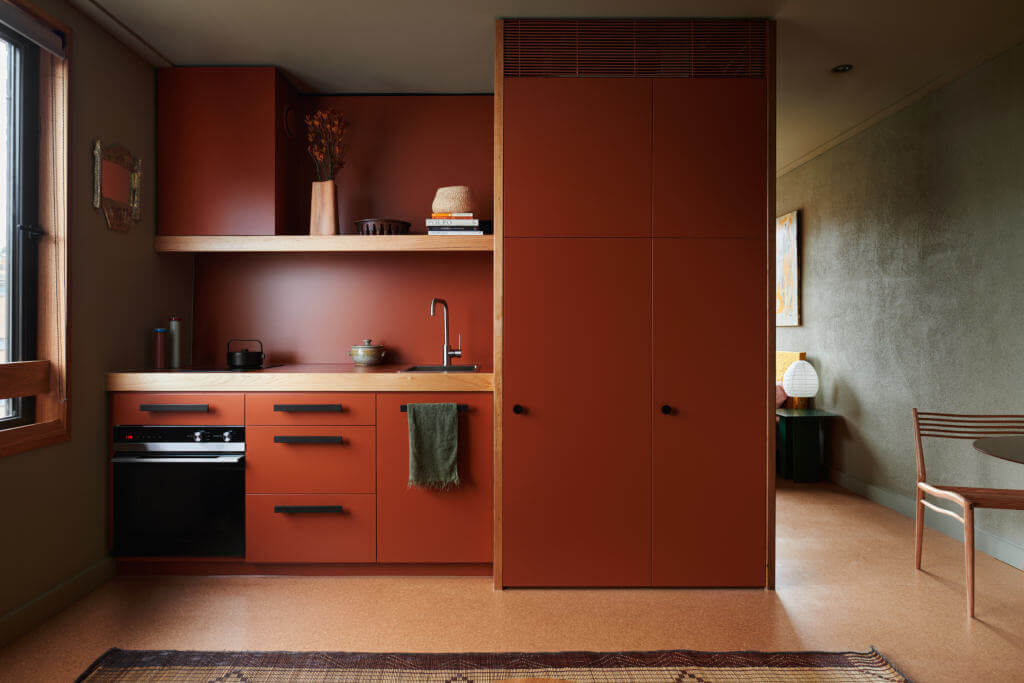
The wall behind the counter is completed in the identical materials as the cupboard fronts, so there is no such thing as a visible break between storage and floor. The therapy continues upward behind the sink and home equipment, making the wall really feel like a part of the built-in somewhat than a separate zone that wants its personal resolution.
This method blurs the road between cabinetry and wall end. As a substitute of introducing tile or one other layer, the kitchen depends on continuity and alignment. The fabric is clearly chosen to deal with use, but it surely reads as furnishings somewhat than a backsplash. In kitchens like this, including a special floor would really feel pointless. Letting the cupboard materials prolong onto the wall retains the area unified, which is why I’m selecting this as an alternative.
Stone restricted to the cooking zone
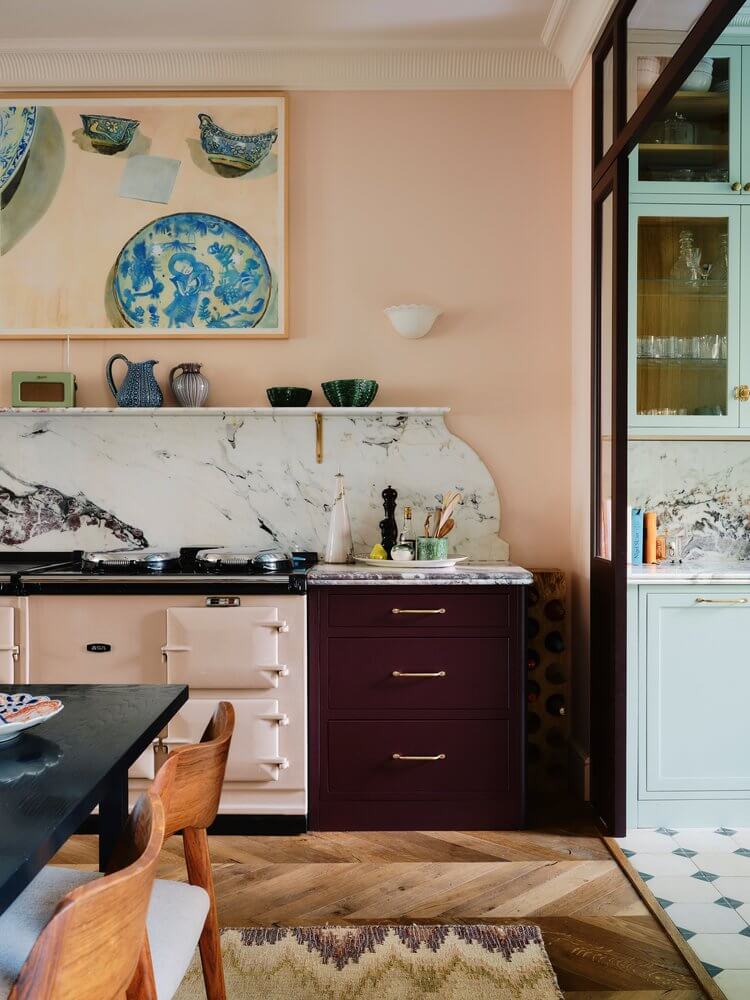
The stone rises solely the place safety is required and stops cleanly above the vary. The wall above stays completed in paint and paintings, so the floor change feels deliberate somewhat than ornamental.
By preserving the stone confined to the working space, the kitchen avoids turning your complete wall into a tough floor. On this context, a full backsplash would really feel extreme. Limiting the fabric retains the wall balanced and managed, which is why this method works as an alternative.
Steady stone surfaces that merge counter and wall
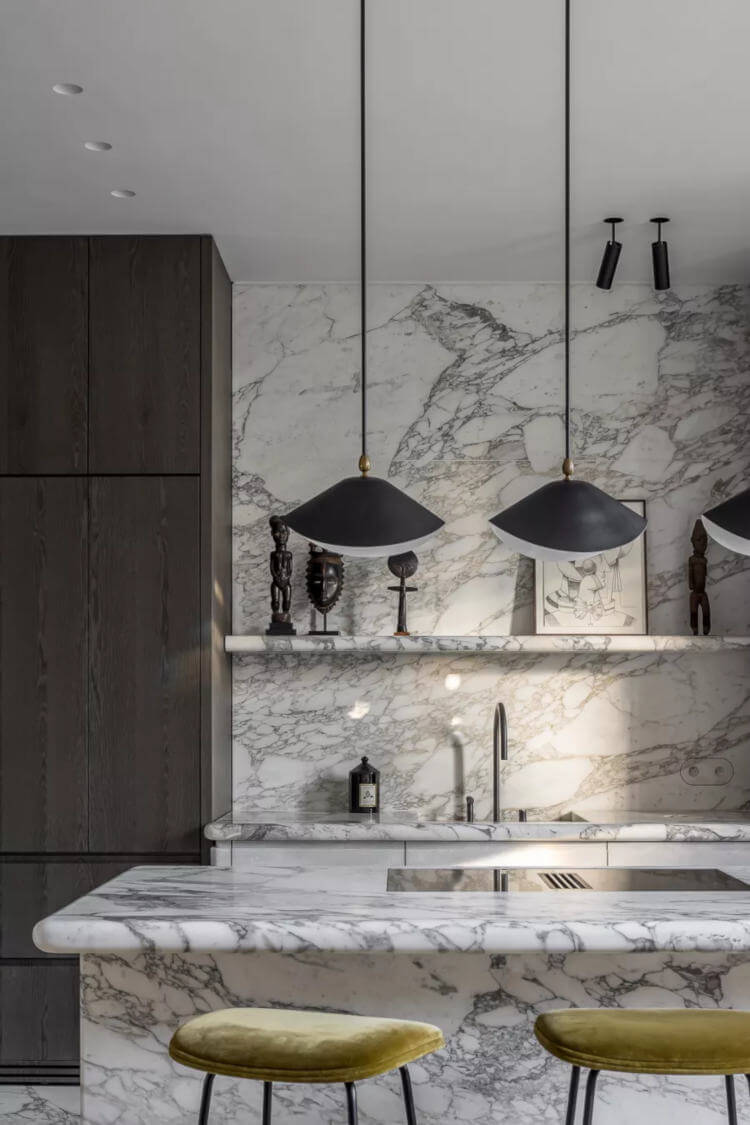
Stone is used throughout the counter, island, and wall with out breaking into zones. There isn’t any clear backsplash line. The fabric continues behind the sink and shelving, so the wall reads as an extension of the work floor.
This method removes the necessity for a separate therapy altogether. The kitchen depends on continuity and proportion somewhat than added layers. In areas like this, introducing tile would solely interrupt the fabric logic. Letting the stone run uninterrupted retains the design exact and resolved, which is why this method works as an alternative.
Painted and limewashed partitions left uncovered
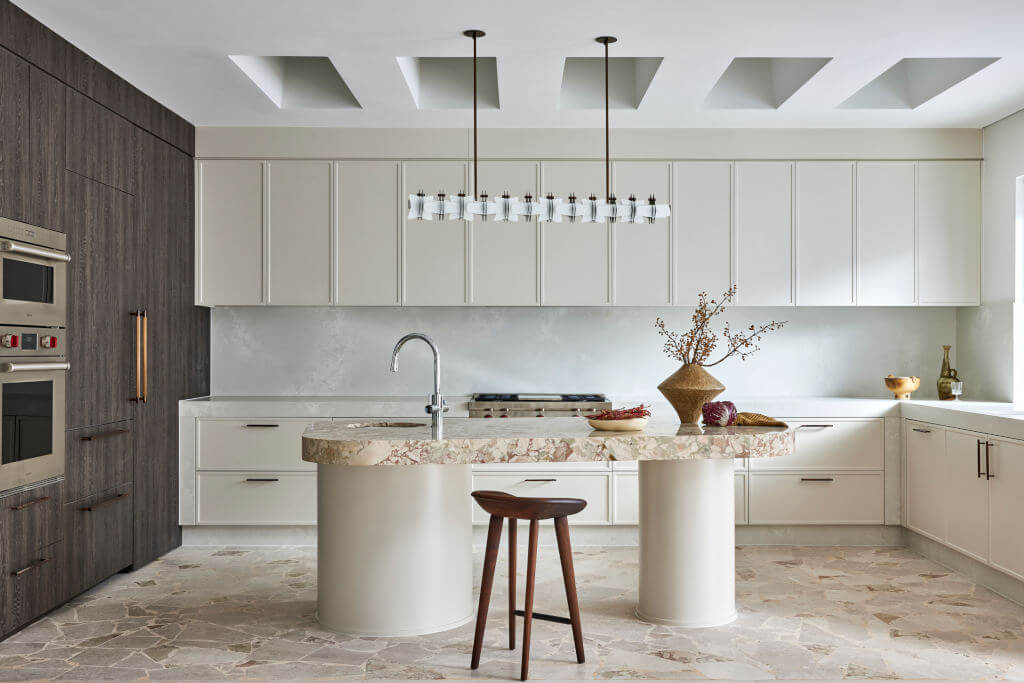
The wall behind the counter is completed in paint somewhat than tile, with no added floor to mark a backsplash zone. The end continues uninterrupted throughout the kitchen, permitting the cabinetry and island to outline the area as an alternative of a separate wall therapy.
This works as a result of the format limits splashes to particular areas. The counter edge and depth deal with each day use, whereas the wall stays easy and versatile. In kitchens like this, including tile would really feel pointless. Letting paint or limewash do the work retains the area calm and resolved, which is why this method matches as an alternative.
